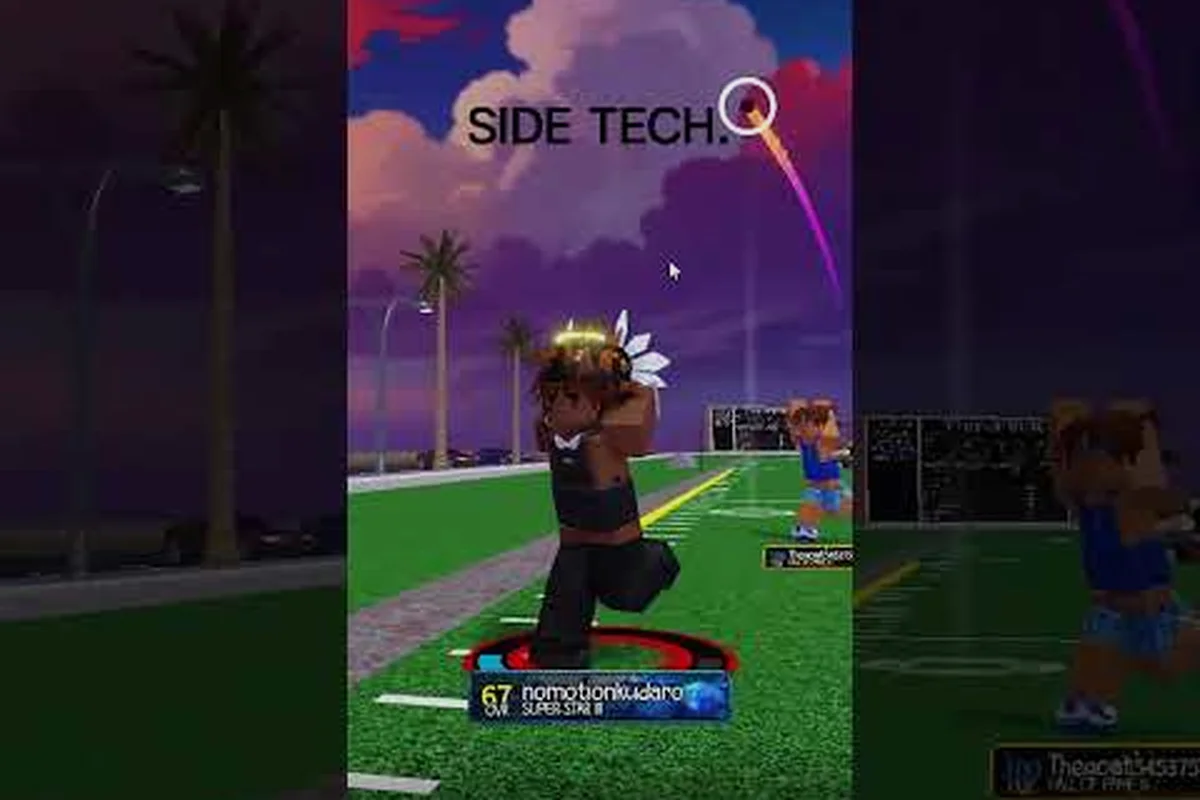
Winning in NFL Universe Football rarely comes down to raw stick skill alone. The players who consistently move the chains are the ones who treat every snap as a pre-snap puzzle, matching the right playcall to the defensive shell they see across the line. This guide breaks down the NFL Universe Football best plays for both sides of the ball, focusing on the offensive concepts, defensive counters, and coverage reads that actually shift win probability. l to the defensive shell they see across the line. This guide breaks down the NFL Universe Football best plays for both sides of the ball, focusing on the offensive concepts, defensive counters, and coverage reads that actually shift win probability. If you’re still getting comfortable with the core controls and play-calling menus that these advanced reads depend on, start with the NFL Universe Football Beginner Guide to lock in the fundamentals before layering in these situational adjustments.
Core Offensive Playcalling Framework
Before diving into specific formations, you need a mental model for how plays interact. Every offensive call in NFL Universe Football succeeds or fails based on three variables: route timing, blocking scheme, and defensive alignment. When you call a play that attacks the soft spot of the coverage while your protection holds up, the result is usually a clean gain. When any one of those variables breaks down, you are looking at a sack, a hurried throw, or a run stuff.
The most reliable offensive approach is to build a situational play sheet rather than spamming one meta play. Community testing consistently shows that defenses adapt to repeated concepts, so rotating through three or four complementary plays keeps the opponent guessing. Your core rotation should include at least one quick-game pass, one deep shot, one inside run, and one outside run or screen.
Situational Play Selection Table
| Situation | Recommended Concept | Why It Works |
|---|---|---|
| 1st & 10, own territory | Inside zone run or quick slant | Establishes rhythm, low risk |
| 2nd & short | Play-action deep crosser | Safeties bite on run fake |
| 3rd & long | Four verticals or mesh | Stretches zone, creates late window |
| Red zone | Corner route or QB draw | Compresses field, isolates defender |
| Two-minute drill | Out routes and checkdowns | Stops clock, protects possession |
The table above reflects a balanced approach that works across most defensive looks. The key is recognizing that down and distance should dictate your call more than personal preference. A deep shot on 3rd & 1 might feel aggressive, but it often wastes a high-percentage conversion opportunity.
Quick-Game Passing Concepts
Quick-game concepts are the backbone of any effective NFL Universe Football offensive plays guide because they neutralize pressure and get the ball out before the pass rush arrives. The slant-flat combination is particularly strong against man coverage: the slant receiver runs a sharp inside break while the flat receiver occupies the outside defender, creating a natural rub or at minimum a clear throwing lane.
Against zone coverage, the stick concept works better. The outside receiver runs a five-yard hitch while the slot receiver settles into the soft spot between the underneath defender and the deep safety. The read is simple: if the flat defender widens, throw the stick; if he sits, hit the flat. This concept punishes defenses that drop into conservative shells on early downs.
Defensive Playcalling and Coverage Shells
Defense in NFL Universe Football is about forcing the offense into low-percentage throws and negative plays. The best defensive playcallers do not just react to the offense; they dictate terms by disguising coverage and mixing pressure looks. Your defensive play sheet should include at least one Cover 3 zone, one Cover 1 man, one Cover 2 zone, and one blitz package to keep the quarterback uncomfortable.
The core tension in any NFL Universe Football defensive plays guide is the trade-off between pressure and coverage. Sending extra rushers creates faster pressure but leaves fewer bodies in the secondary. Dropping seven or eight into coverage gives you numbers downfield but gives the quarterback time to scan. The best defenses toggle between these extremes based on the offensive tendencies you observe.
Defensive Shell Comparison Table
| Coverage Shell | Strengths | Weaknesses | Best Used Against |
|---|---|---|---|
| Cover 1 Man | Locks down receivers, allows blitz | Vulnerable to crossers, QB scrambles | Short-yardage, red zone |
| Cover 2 Zone | Protects deep halves, cheap vs run | Soft spots in flats, deep middle | Deep shots, outside runs |
| Cover 3 Zone | Three deep defenders, strong vs pass | Weak vs short flats, screens | Long downs, deep threats |
| Cover 0 Blitz | Immediate pressure, no deep help | One missed tackle = touchdown | 3rd & long, obvious pass downs |
The table highlights why no single coverage is a cure-all. A Cover 0 blitz on 3rd & 15 can force a quick throw short of the sticks, but the same call on 1st & 10 against a screen-heavy offense can give up a house call. Context always beats raw aggression.
Man vs Zone Defense Reads
Understanding NFL Universe Football man vs zone defense is the single most important skill for pre-snap recognition. Man coverage means defenders follow specific receivers across the field, while zone coverage means defenders guard areas of grass. The distinction changes everything about where you should throw the ball.
Here is how to read the difference before the snap:
-
Cornerback alignment: corners playing man typically line up directly across from the receiver, often with inside leverage. Zone corners play off and read the quarterback.
-
Safety depth: two deep safeties usually indicate Cover 2 or Cover 4 zone. One deep safety suggests Cover 1 man or Cover 3 zone.
-
Linebacker positioning: backers aligned over running backs in a press look often signal man coverage. Backers dropping to landmarks suggest zone.
-
Motion response: send a receiver in motion. If a defender follows him across the formation, you are likely facing man. If defenders stay put and shift zones, it is zone.
These reads take practice, but they become second nature after a few dozen games. The payoff is enormous: knowing the coverage before the snap lets you audible into a play that attacks its structural weakness.
How to Read Defense Pre-Snap
Mastering NFL Universe Football how to read defense starts with a consistent pre-snap routine. The best players run through a mental checklist on every snap, and they do it in the same order every time. This consistency prevents panic and ensures you never miss a tell.
The first read is always safety alignment. Count the deep safeties. Two safeties deep means the defense is protecting against the deep ball, which opens up underneath routes and the run game. One safety deep means the defense is committing an extra defender to the box, which invites play-action shots over the top. Zero safeties deep is a blitz indicator, and you should have a hot route ready.
The second read is cornerback depth and leverage. Corners pressed up on the line of scrimmage with inside leverage are likely playing man or press-bail technique. Corners playing seven or more yards off are probably in zone. The third read is linebacker alignment: stacked backers behind the defensive line suggest blitz or run blitz, while backers at normal depth suggest standard coverage.
Pre-Snap Read Checklist Table
| Read Order | What to Look For | What It Tells You |
|---|---|---|
| 1 | Safety count and depth | Deep coverage shell, blitz probability |
| 2 | Cornerback alignment | Man vs zone, press vs off coverage |
| 3 | Linebacker positioning | Blitz intent, run commitment |
| 4 | Defensive line alignment | Stunt or slant tendency |
| 5 | Motion response | Confirms man or zone coverage |
This checklist works because it moves from the most informative read to the least. Safety alignment tells you the most about the defense's overall intent, while motion response confirms what you already suspect. Running through all five reads takes about three seconds, which fits comfortably within the pre-snap window.
Advanced Offensive Concepts and Counters
Once you have the basics down, you can start layering in advanced concepts that punish specific defensive tendencies. The best offensive players in NFL Universe Football do not just call good plays; they call plays that exploit the exact coverage they have diagnosed. This section covers three advanced concepts that separate good offenses from great ones.
The flood concept is a zone-beater that overloads one side of the field with three receivers at three different depths. The outside receiver runs a deep corner, the slot runs a medium out, and the running back releases into the flat. Against Cover 2, the corner route attacks the sideline hole between the corner and safety, while the out route occupies the flat defender. Against Cover 3, the three-level stretch forces the deep third defender to choose between the corner and the out.
The mesh concept is a man-beater that uses two shallow crossing routes to create natural picks. Both slot receivers run shallow crosses from opposite sides, and the defense must navigate through traffic to stay in coverage. The read is simple: throw to whichever crosser emerges clean. Mesh is especially effective against Cover 1 man because the crossing action forces defenders to chase through congestion.
Countering Defensive Adjustments
Defenses adapt, so your offense must adapt too. If a defense starts sitting in Cover 2 to take away your deep shots, you counter with underneath flood and outside zone runs. If a defense starts blitzing to speed up your quarterback, you counter with quick screens and draw plays that punish over-aggressive rushers.
The cycle of adjustment is what makes NFL Universe Football rewarding at higher levels. Every defensive call has a counter, and every counter has a counter-counter. The players who win consistently are the ones who stay one step ahead in this chess match rather than locking into a single strategy.
Frequently Asked Questions
What are the best offensive plays for beginners in NFL Universe Football?
Start with quick-game concepts like slant-flat and stick because they get the ball out fast and have simple reads. Pair them with inside zone runs to keep the defense honest. These plays minimize turnovers while you learn defensive recognition, and they work against both man and zone coverage.
How do I know if the defense is playing man or zone?
Send a receiver in motion before the snap. If a defender follows him across the formation, it is man coverage. If defenders stay in their areas and shift zones, it is zone. You can also check cornerback alignment: pressed corners usually indicate man, while off coverage suggests zone.
What is the best defensive play against deep passing teams?
Cover 3 zone is the strongest base call against deep threats because it keeps three defenders deep to bracket vertical routes. Mix in occasional Cover 2 to protect the sidelines. Avoid Cover 0 blitzes against deep passing teams unless you are confident in your pass rush getting home quickly.
When should I audible out of a play?
Audible when the pre-snap read shows a clear mismatch. If you called a deep shot but see two safeties deep, check to a run or underneath pass. If you called a run but the defense stacks the box, audible to a quick pass. The best players audible on roughly 20 to 30 percent of snaps based on what the defense shows.
How do I improve my pre-snap reads quickly?
Run the five-step checklist on every snap in practice mode until it becomes automatic. Focus on safety alignment first, then cornerback depth, then linebacker positioning. After about 20 games of deliberate practice, you will start reading defenses without consciously thinking through each step.