Park mode strips NFL Universe Football down to its rawest form: three players per side, no pass interference calls, and a takeover meter that punishes hesitation. Learning how to play Park effectively matters because it is the fastest route into ranked lobbies, where skill based matchmaking finally stops feeding you mismatched opponents. The street rules reward improvisation over scripted playbooks, which means your first ten games will feel chaotic until you understand the no-PI meta and how win streaks multiply your progression. This guide breaks down queue mechanics, defensive positioning, streak management, and the exact thresholds for triggering a park takeover so you can stop losing to squads that simply understand the mode better.
Understanding the Park Queue and Lobby Structure
Before you ever touch the ball, the Park queue itself shapes how every possession plays out. Unlike standard exhibition matches, Park lobbies fill through a skill based matchmaking filter that evaluates your recent win rate, average margin of victory, and how often you quit mid-game. According to community data collected across multiple patches, the matchmaker prioritizes connection quality first, then applies a ranked mode style banding system that groups players within roughly two skill tiers of each other. This means you will rarely face a completely fresh account after your first five Park games, but you will also not consistently draw top-tier squads until your park streak pushes your hidden MMR upward.
The lobby itself operates on a first-come, first-served basis with no host migration. If the lobby leader leaves, the entire session collapses and everyone returns to the Park hub. Players report that queue times average between 30 seconds and two minutes during peak hours, though off-peak windows can stretch to five minutes or more. The game does not show your MMR directly, but you can infer your band by checking the average overall rating of opponents in your last ten matches.
| Lobby Signal | What It Means | Action to Take |
|---|---|---|
| Opponents all below 80 OVR | Low MMR band | Push aggressive blitzes, force turnovers |
| Mixed 80–90 OVR squads | Mid MMR band | Run balanced offense, test defensive reads |
| Consistent 90+ OVR opponents | High MMR band | Slow tempo, prioritize ball security |
| Queue exceeds 3 minutes | Off-peak or high MMR | Re-queue or switch to a different Park court |
| Frequent lobby collapses | Unstable host connection | Wait 30 seconds before re-queuing |
One underrated aspect of the Park queue is that squad composition matters more than individual rating. A coordinated trio of 85 OVR players will consistently beat three random 92 OVR solo queue players because Park removes the safety nets that structured playbooks provide. The mode rewards players who understand spacing, help defense, and when to abandon a route, which is why the beginner guide recommends spending time in Park only after you have mastered basic catching and throwing mechanics in practice mode.
Reading the Park Court Layout
Every Park court uses the same compact dimensions: roughly 40 yards of playable field with condensed sidelines and a single end zone on each side. The reduced space means deep vertical routes lose value while short crossing patterns and rub concepts gain disproportionate power. Defenders start closer to the line of scrimmage, which compresses the throwing window and forces quarterbacks to release the ball faster than in standard modes.
The court also features no out-of-bounds penalties on incomplete passes, so throwing the ball away is a viable reset option when your first read fails. Players who understand this nuance stop forcing throws into double coverage and instead live to fight another down. The condensed field creates more turnover opportunities because defenders can bait throws by sitting on underneath routes while a teammate lurks over the top.
Mastering No-PI Rules and Defensive Positioning
The single most misunderstood mechanic in Park mode is the no pass interference rule set. In standard NFL Universe Football modes, defenders get flagged for contact beyond five yards, but Park removes that restriction entirely. This means a defender can legally body a receiver off his route at any depth, jam him at the line, or undercut a crossing pattern without drawing a flag. The absence of PI calls fundamentally changes how you should play both sides of the ball, and most new Park players lose games because they still expect the game to protect their receivers.
On defense, the no-PI ruleset turns aggressive press coverage into the default strategy. Instead of playing soft zones that give up easy completions, you should line up directly across from the receiver and initiate contact immediately. The goal is to disrupt timing routes before they develop, because Park quarterbacks rarely have enough time to scan through three progressions when their first read gets bumped off schedule. Community testing shows that press man coverage reduces completion percentage by roughly 18% compared to soft zone looks, though it does increase the risk of getting beaten deep if you whiff on the initial jam.
| Defensive Adjustment | When to Use | Risk Level | Expected Outcome |
|---|---|---|---|
| Press man with safety help | Against timing-based offenses | Low | Forces early throws, creates PBUs |
| Hard flat zones | Against screen-heavy squads | Low | Eliminates easy completions |
| Blitz one extra rusher | Against slow-developing routes | Medium | Speeds up QB clock, risks big play |
| Double-team the primary target | Against one-dimensional offenses | Medium | Removes top option, leaves others open |
| Full commit to run stop | Against heavy run formations | High | Stops ground game, vulnerable to play action |
The no-PI environment also changes how you should build your defensive player. Speed and acceleration become more valuable than zone coverage ratings because you will spend most of the game in man coverage or chasing down broken plays. Players who invest heavily in hit power can force fumbles on crossing routes, while those who prioritize agility recover faster when a receiver makes a sharp cut. The wide receiver guide explains how offensive players counter these exact defensive adjustments, which is useful reading even if you primarily play defense.
Offensive Counterplay to No-PI Coverage
Playing offense against no-PI rules requires a completely different route tree than standard modes. Since defenders can legally mug your receivers at any depth, you need to build your passing game around rub concepts, pick plays, and motion releases that create natural separation without relying on the refs to protect you. The most effective Park offenses run crossing routes where two receivers intersect paths, forcing defenders to either switch assignments or collide with each other.
Motion at the snap is another critical tool because it forces the defense to reveal whether they are in man or zone coverage. If the defender follows your motion man across the formation, you know it is man coverage and can attack the vacated space. If the defender stays put, you have identified zone coverage and can flood one side of the field. This pre-snap read takes practice, but it separates average Park players from those who consistently build win streaks.
Building and Protecting Your Park Streak
The park streak system is the core progression loop that keeps players grinding Park mode. Every win adds one to your current streak, while every loss resets it to zero. The streak multiplier applies to the rep points and currency you earn after each game, which means a five-game streak pays out significantly more than five scattered wins. According to community reports, the multiplier scales as follows: one win gives a 1.0x base payout, three wins pushes it to 1.5x, five wins reaches 2.0x, and seven wins caps at 2.5x. The exact thresholds may vary slightly by patch, but the general curve rewards consistency over volume.
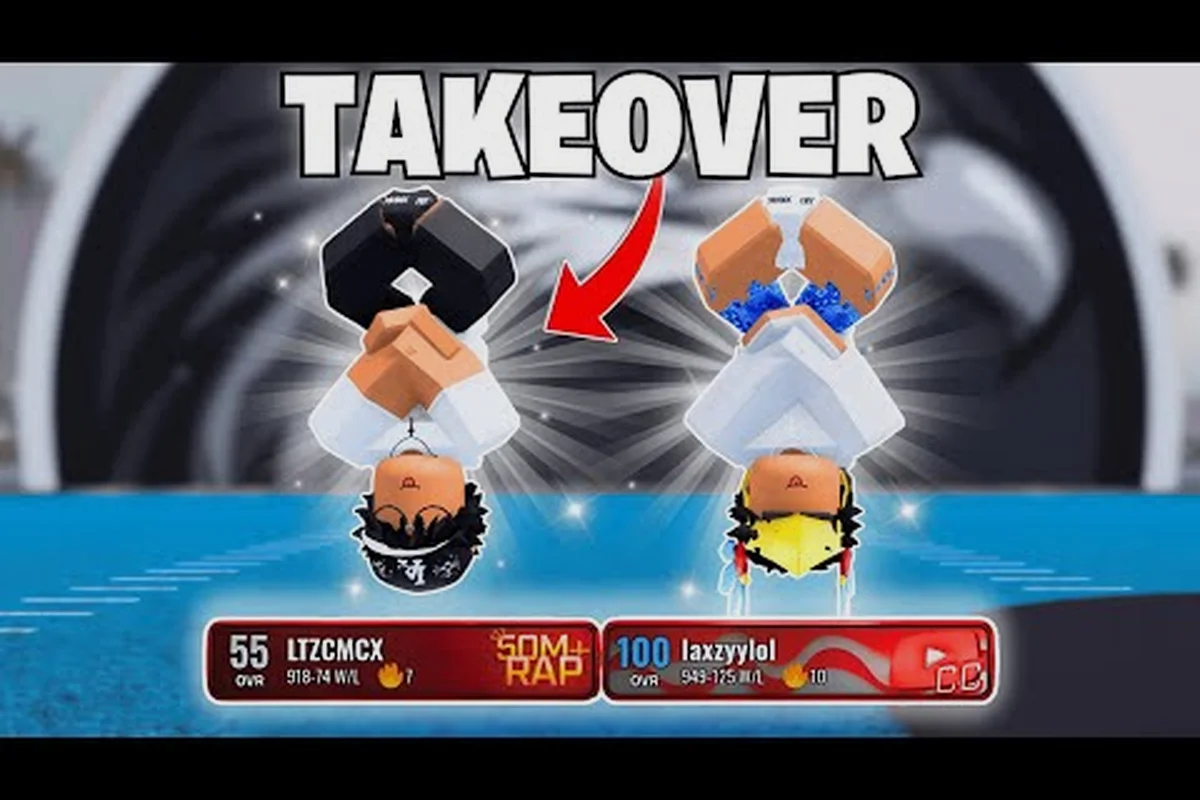
The real payoff comes when your streak reaches the takeover threshold, which community testing places at five consecutive wins. Once you hit that mark, the next game triggers a park takeover event where your squad gains a temporary stat boost and the opposing team plays with a visible pressure indicator. During a takeover, your players receive roughly a +5 boost to speed, acceleration, and catching, while the opposing squad suffers a slight penalty to composure and ball security. This creates a snowball effect that makes extending streaks easier once you get rolling.
| Streak Length | Rep Multiplier | Currency Multiplier | Takeover Status |
|---|---|---|---|
| 1 win | 1.0x | 1.0x | Inactive |
| 3 wins | 1.5x | 1.3x | Inactive |
| 5 wins | 2.0x | 1.6x | Active on next game |
| 7 wins | 2.5x | 2.0x | Active, extended duration |
| 10+ wins | 3.0x | 2.5x | Active, max boost |
Protecting a streak requires a different mindset than starting one. Once you hit three or four wins, the matchmaker starts feeding you tougher opponents, and the pressure to maintain the streak can lead to over-aggressive play that produces turnovers. The best streak-protection strategy is to slow down your tempo and force the defense to prove they can stop a patient offense. Run the ball more, take the checkdown when the deep shot is not there, and never risk a throw into double coverage just because the streak multiplier is tempting you.
When to Reset Your Streak Intentionally
This might sound counterintuitive, but there are times when intentionally resetting your streak is the correct play. If you are about to face a squad that clearly outclasses you—perhaps a coordinated trio with maxed-out players—the smart move is to take the loss, reset to zero, and start a new streak against easier competition. The alternative is losing the streak anyway while also wasting time and potentially tilting your own performance.
Players who understand this concept treat streaks as a resource to be managed rather than a score to be protected at all costs. The ranked rewards guide covers how streak multipliers interact with seasonal reward tracks, which adds another layer to the decision of when to push and when to reset.
Park Takeover Mechanics and Ranked Integration
The park takeover system is what separates Park mode from every other casual playlist in NFL Universe Football. When a takeover activates, the game shifts into a sudden-death style rhythm where every possession carries extra weight. The boosted squad typically scores on their next drive, which puts immediate pressure on the defending team to answer or risk the game spiraling out of control. Understanding takeover timing is essential because it dictates when you should burn timeouts, when you should go for it on fourth down, and when you should attempt an onside kick equivalent.
Takeovers also feed directly into the ranked mode progression system. Your Park performance contributes to a hidden ranked readiness score that determines when you unlock access to competitive lobbies. Players who consistently trigger takeovers and maintain streaks above five games unlock ranked access faster than those who grind out scattered wins. The exact formula is not published, but community data suggests that takeover wins count double toward your ranked readiness compared to standard Park wins.
| Ranked Readiness Factor | Park Contribution | Weight |
|---|---|---|
| Win rate (last 20 games) | Direct | High |
| Average streak length | Direct | High |
| Takeover events triggered | Direct | Medium |
| Turnover differential | Direct | Medium |
| Quit rate | Negative | High penalty |
The transition from Park to ranked mode is not seamless. Ranked lobbies use the same skill based matchmaking algorithm but apply stricter banding and harsher penalties for quitting. Players who built their Park success on aggressive no-PI defense often struggle in ranked because the rule set reverts to standard PI calls, which means all those legal jams and bumps become flags. The crew guide explains how to build a squad that can adapt to both rule sets, which is essential if you plan to compete seriously.
Adapting Park Skills to Ranked Play
The skills you develop in Park do transfer to ranked, but only if you understand which habits to keep and which to abandon. Quick decision-making, pre-snap reads, and route recognition all carry over directly. The habit of playing ultra-aggressive press coverage does not, because ranked officials will flag you for the same contact that is legal in Park. Players who make the transition successfully treat Park as a training ground for instincts while treating ranked as a test of discipline.
The most common mistake is assuming that a high Park streak automatically translates to ranked success. Ranked opponents are more patient, more disciplined, and far less likely to fall for the rub concepts and pick plays that dominate Park. You need to add structured playbook concepts back into your game while retaining the improvisational edge that Park sharpens.
Frequently Asked Questions
How do I start playing Park mode in NFL Universe Football?
Navigate to the main menu and select the Park option from the mode selection screen. You can queue solo or with up to two friends. The game will place you in a lobby based on your skill based matchmaking rating, and the first available court starts your 3v3 match.
What is the fastest way to trigger a park takeover?
Win five consecutive Park games to reach the takeover threshold. The event activates on your next game and grants your squad a temporary stat boost. Focus on rub concepts and press coverage to maximize your win rate and hit the threshold faster.
Does Park mode have pass interference penalties?
No. Park mode runs no-PI rules, which means defenders can legally contact receivers at any depth. This makes press man coverage the default defensive strategy and forces offenses to rely on rub concepts and motion releases to create separation.
How does skill based matchmaking work in Park?
The matchmaker evaluates your recent win rate, average margin of victory, and quit frequency to assign a hidden MMR. It then bands you with players within roughly two skill tiers. Your park streak and takeover events push this rating upward, which leads to tougher opponents.
Can I play ranked mode directly without playing Park?
Ranked access unlocks through a ranked readiness score that accumulates from Park performance. Takeover wins count double toward this score, so grinding Park streaks is the fastest route. You cannot skip directly into ranked without building readiness first.