
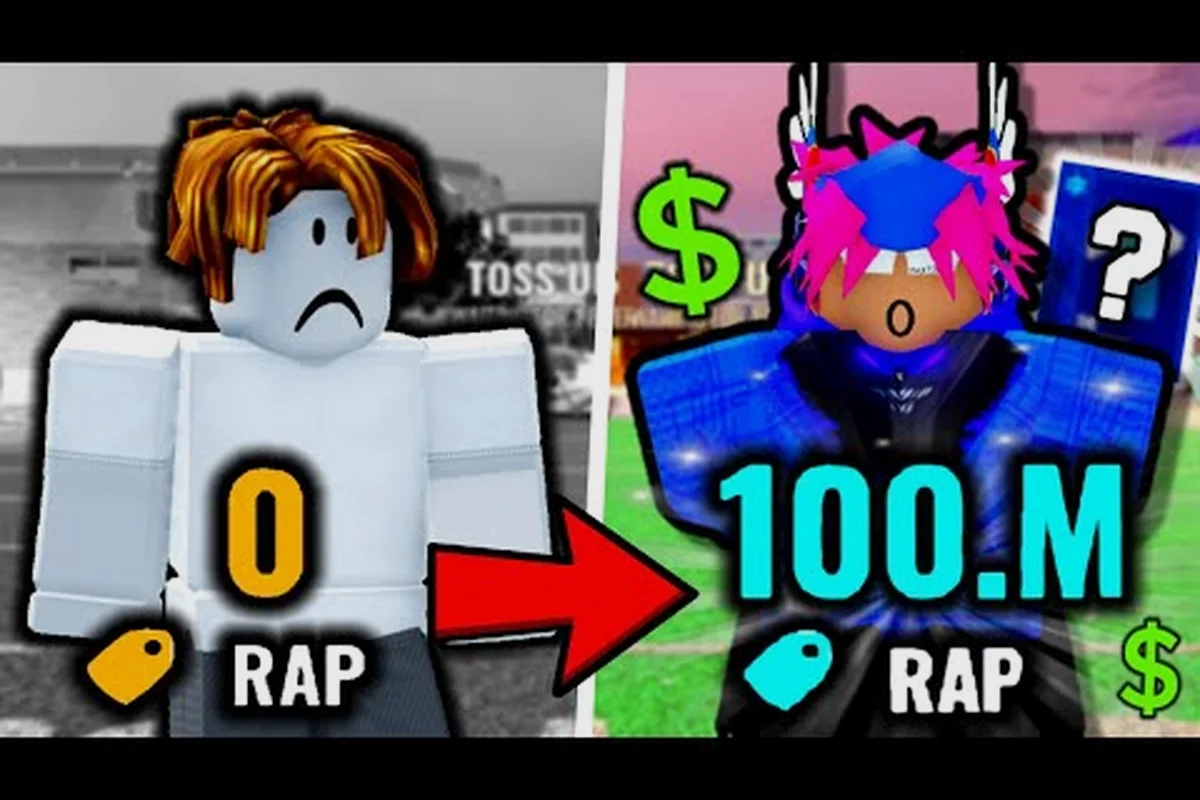
Understanding which NFL Universe Football hype items actually hold their price matters more than chasing every flashy new release, because most speculative spikes collapse within days while a small group of stable value items quietly compounds. This guide breaks down the difference between genuine scarcity and manufactured demand, then shows you exactly how to check item value before committing to a trade.
Why Most Hype Items Lose Value Fast
The NFL Universe Football economy runs on a predictable cycle that catches new traders off guard. When a limited player card or cosmetic drops, its initial price almost always overshoots its true equilibrium because early buyers compete for the first available copies. Within 48 to 72 hours, supply catches up as more players open packs or complete the event, and the price settles at a fraction of the launch spike. According to community data collected across multiple trading hubs, the average hype item loses 40 to 60 percent of its peak value within the first week, which means buying at launch is almost always a losing strategy unless you plan to flip within hours.
The underlying mechanic is straightforward: manufactured scarcity drives the initial spike, while real scarcity determines the long-term floor. A limited item with a hard cap of 500 total copies behaves differently from a seasonal item that returns every year, because the hard cap prevents supply from ever expanding. Players who track the NFL Universe Football value list over multiple weeks learn to distinguish between these two types quickly, since the hard-capped items show a steady upward drift while seasonal items cycle predictably.
The Hype Cycle Table
| Phase | Typical Duration | Price Movement | Trader Action |
|---|---|---|---|
| Launch Spike | 0-48 hours | +80% to +200% | Sell if you pulled early |
| Correction | 2-7 days | -40% to -60% | Wait, do not buy |
| Stabilization | 1-4 weeks | +/- 10% drift | Evaluate real scarcity |
| Long-term Trend | 1-6 months | Depends on cap | Hold only hard-capped items |
The correction phase is where most losses happen, because traders who bought during the launch spike panic-sell into a falling market. Community reports consistently show that patient buyers who wait for stabilization get the same item at roughly half the launch price, which is why timing discipline matters more than item knowledge in this economy.
Stable Value Items Worth Holding Long-Term
Stable value items in NFL Universe Football share three characteristics that make them resistant to hype cycles. First, they have a hard supply cap that prevents new copies from entering circulation. Second, they serve a functional purpose in gameplay rather than existing purely as cosmetics. Third, they have proven demand history across multiple trade cycles, meaning buyers consistently seek them out regardless of the current meta.
Attributes of Stable Value Items
| Attribute | Why It Matters | Example Pattern |
|---|---|---|
| Hard supply cap | Prevents dilution | Limited edition player cards |
| Functional utility | Creates ongoing demand | High-tier roster upgrades |
| Cross-meta relevance | Survives balance patches | Position-flexible players |
| Collector recognition | Community consensus value | Rare jersey numbers |
The most reliable stable value items are limited player cards that fit multiple roster builds, because they retain demand even when the meta shifts toward different playstyles. A versatile quarterback card with strong base stats holds value better than a specialized defensive card that only works in one formation, since the quarterback fits into more trading strategies. Players who study the NFL Universe Football trade tips guide learn that liquidity — how easily an item converts back into tradeable value — matters as much as the theoretical price tag.
Why Functional Items Beat Pure Cosmetics
Cosmetic items spike hard on release but rarely hold value because their demand is entirely emotional. Once the novelty fades, buyers move to the next shiny release and the cosmetic sits in inventories unsold. Functional items, by contrast, maintain demand because players need them to compete, which creates a permanent buyer pool that cosmetics lack. This distinction explains why veteran traders allocate most of their portfolio to functional cards and treat cosmetics as short-term flips at best.
How to Check Item Value Before Trading
Knowing how to check item value in NFL Universe Football prevents overpaying on hype items and underselling stable assets. The process involves cross-referencing multiple data points rather than trusting a single source, because individual trade listings can be manipulated by sellers trying to inflate perceived value.
The Four-Step Value Check
-
Check recent completed trades — look at what items actually sold for in the last 48 hours, not what sellers are asking. Asking prices reflect seller optimism; completed trades reflect reality.
-
Compare against the community value list — cross-reference the NFL Universe Football value list to see whether the current asking price sits above or below the consensus range. A price more than 20 percent above consensus usually signals a hype premium.
-
Assess supply velocity — count how many copies of the item appear in active listings. If supply is growing rapidly, the price will likely fall; if listings are scarce and getting scarcer, the floor is rising.
-
Check the item's history — items with a stable price history across multiple weeks are safer than items that have spiked and crashed repeatedly, because the latter attract speculative traders who exit quickly.
Common Value Check Mistakes
| Mistake | Why It Happens | How to Avoid |
|---|---|---|
| Trusting asking prices | Sellers anchor high | Only use completed trades |
| Ignoring supply trends | Focus on price only | Track listing counts over time |
| Comparing across platforms | Different player bases | Use one consistent hub |
| Chasing recent spikes | FOMO on momentum | Wait for stabilization phase |
The most common error is treating a single high asking price as evidence of value, which is why completed trade data should always be your primary reference point. Sellers can list an item at any price they want, but completed trades show what buyers actually paid, and that gap between asking and selling price is where hype items reveal their true nature.
Trade Etiquette That Protects Your Portfolio
NFL Universe Football trade etiquette is not just about being polite — it is a practical risk management system that prevents scams, misunderstandings, and reputation damage. Traders who follow consistent etiquette get better deals over time because counterparties trust them and return for repeat trades.
Core Etiquette Rules
-
State your price clearly — vague offers like "what would you give for this?" waste time and signal that you have not done your homework. Come with a specific range based on completed trade data.
-
Do not cancel accepted trades — once both parties agree, backing out damages your reputation in the trading community. Reputation is an invisible asset that compounds over time.
-
Disclose item condition and history — if an item has a known issue or was involved in a disputed trade, disclose it upfront. Hidden problems discovered later create disputes that hurt both parties.
-
Respect the other trader's time — respond promptly, do not leave counterparties waiting for hours, and close trades efficiently once terms are agreed.
Why Etiquette Affects Your Bottom Line
The trading community is small enough that reputations spread quickly. Players who develop a pattern of fair dealing get first access to good deals because sellers prefer to trade with known reliable buyers. Conversely, traders who cancel deals or lowball aggressively find themselves shut out of premium trades, which forces them to overpay for lower-quality items. The NFL Universe Football is this trade fair guide explores how reputation shapes the offers you receive, but the core principle is simple: fair dealing is a long-term investment that pays dividends in better trade opportunities.
Trade Examples That Illustrate the Principles
Concrete NFL Universe Football trade examples make the abstract principles easier to apply. The following scenarios are based on community-reported trades and illustrate how hype items, stable value items, and etiquette interact in practice.
Example 1: The Hype Flip
A trader pulled a new limited wide receiver card during the launch spike and immediately listed it for 2.5 times the consensus value. Within six hours, a buyer paid the inflated price because supply was still thin. The seller profited handsomely, but the buyer watched the card drop to 40 percent of what they paid within three days. This example shows that hype flips work for sellers who act within the first 24 hours, but they are disastrous for buyers who enter during the spike.
Example 2: The Stable Hold
Another trader acquired a hard-capped quarterback card during a market dip when panic selling drove the price below its historical floor. They held the card for six weeks while the market stabilized, then sold it for a 35 percent profit when demand returned. This example demonstrates that stable value items reward patience, especially when you buy during temporary dips rather than chasing momentum.
Example 3: The Etiquette Dividend
A regular trader built a reputation for fair dealing by always stating clear prices and never canceling accepted trades. When a rare limited item entered the market, a seller approached them first with a below-market offer because they trusted the buyer to close quickly and without drama. The buyer flipped the item for a 20 percent profit the same day. This example shows how reputation converts directly into profit by giving you access to deals that never reach the open market.
Building a Long-Term Investing Strategy
Treating NFL Universe Football trading as an investing guide rather than a series of isolated flips changes how you allocate resources. A portfolio approach spreads risk across different item types and time horizons, which protects you from the volatility that wipes out single-item speculators.
Portfolio Allocation Framework
| Item Type | Suggested Allocation | Time Horizon | Risk Level |
|---|---|---|---|
| Hard-capped functional cards | 40-50% | 1-6 months | Low |
| Limited cosmetics with collector appeal | 15-20% | 2-8 weeks | Medium |
| Liquid tradeable currency | 20-30% | Immediate | Very low |
| Speculative hype flips | 5-10% | 24-72 hours | High |
The framework prioritizes capital preservation over maximum returns, because surviving market downturns allows you to buy when others are forced to sell. Players who keep 20 to 30 percent of their portfolio in liquid tradeable currency can capitalize on panic selling during market corrections, which is when the best deals appear. The NFL Universe Football market crash guide details how corrections create buying opportunities, but the key insight is that cash reserves are a weapon in a volatile market.
When to Exit a Position
Knowing when to sell matters as much as knowing what to buy. Set a target exit price before you enter any trade, and stick to it even if momentum suggests the price might go higher. Greedy holds turn profitable flips into losses when the hype cycle reverses, which it always does eventually. Similarly, set a stop-loss threshold for speculative positions — if a hype item drops 25 percent from your entry, exit rather than hoping for a recovery, because most hype items never return to their launch spike.
Frequently Asked Questions
What makes an NFL Universe Football hype item different from a stable value item?
Hype items spike on release due to manufactured scarcity and emotional demand, then crash as supply catches up. Stable value items have hard supply caps, functional gameplay utility, and proven demand history across multiple trade cycles, which keeps their price floor intact through meta shifts.
How do I check item value without getting manipulated by sellers?
Cross-reference completed trades from the last 48 hours against the community value list, then assess supply velocity by counting active listings. A price more than 20 percent above consensus usually signals a hype premium, while growing supply indicates the price will likely fall further.
Is it ever worth buying a hype item at launch?
Only if you plan to flip within the first 24 hours while supply remains thin. Buying at launch as a long-term hold is almost always a losing strategy because most hype items lose 40 to 60 percent of their peak value within the first week as supply expands.
Why does trade etiquette matter for my bottom line?
The trading community is small enough that reputations spread quickly. Fair dealers get first access to premium deals because sellers prefer reliable buyers, while traders who cancel deals or lowball aggressively find themselves shut out of good opportunities and forced to overpay.
What percentage of my portfolio should go into speculative flips?
Keep speculative hype flips to 5 to 10 percent of your portfolio, because their high risk profile can wipe out gains from stable holdings. The remaining 90 percent should sit in hard-capped functional cards, liquid currency, and low-risk limited items that preserve capital through market volatility.