
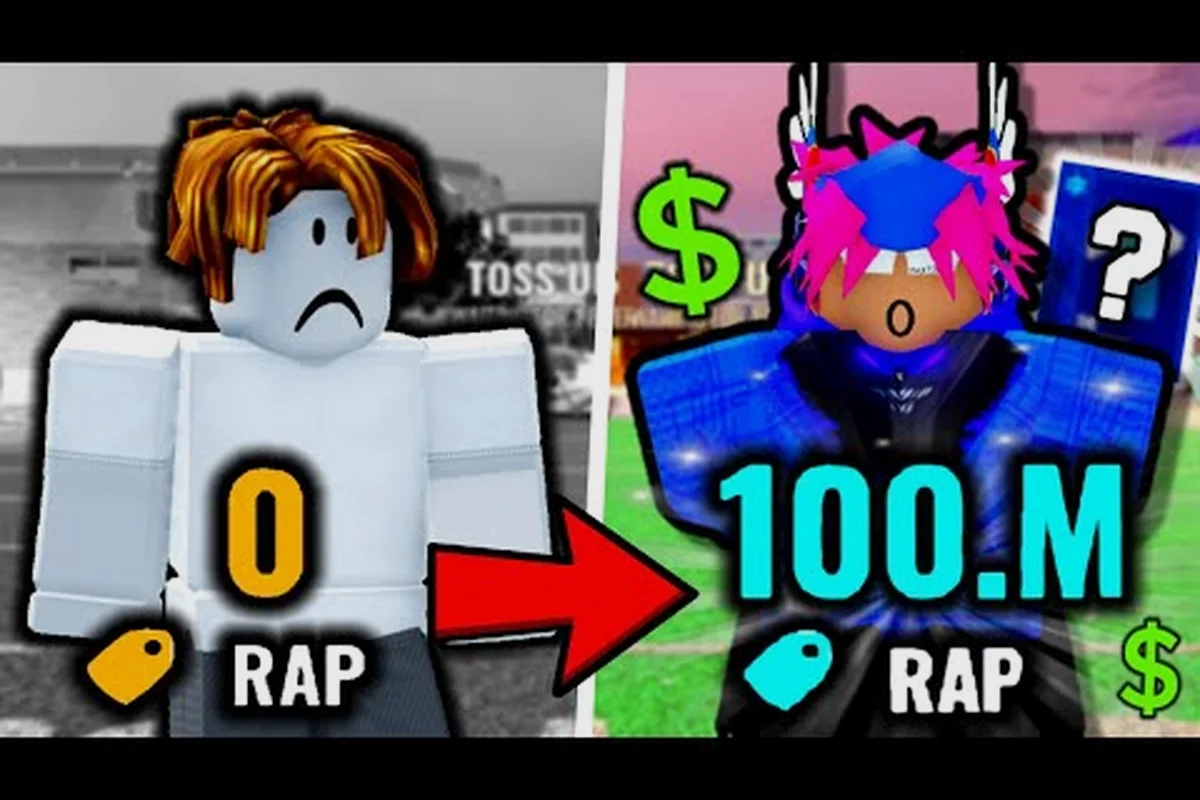
Every trade in NFL Universe Football carries a hidden question: is this trade fair, or am I about to lose value? Player-driven markets shift constantly, and a deal that looks balanced at first glance can hide a 20% to 40% value gap once you check current listings. This guide breaks down how to evaluate offers, spot scams, and protect your roster.
Understanding the Core Trade Fairness Question
The phrase "NFL Universe Football is this trade fair" gets asked constantly in community hubs because the game does not provide an official in-game trade calculator. Players must rely on community value lists, recent sale data, and their own roster needs to judge whether an offer is balanced. A fair trade is not simply two players with similar overall ratings; it is a deal where both sides receive comparable market value at that specific moment.
Market value shifts based on player pull rates, recent performance updates, and hype cycles. A wide receiver who was worth 50,000 coins last week might drop to 35,000 coins after a new pack releases with better alternatives. Because the market moves quickly, a trade that was fair yesterday can become an overpay today. Understanding this dynamic is the first step toward making better decisions.
The most reliable method is to check at least two independent value sources before accepting any offer. Community value lists provide baseline ranges, while Discord trade hubs show real-time asking prices. If the two sources disagree by more than 10%, the trade carries elevated risk. Players who skip this verification step often discover they accepted an underpay only after the other trader has already resold the item for profit.
Why Overall Rating Alone Is Misleading
A common mistake is comparing two players by overall rating and assuming the trade is fair. Overall rating does not account for position scarcity, hype demand, or hidden attributes like speed and catch rating. A 92-rated quarterback might be worth far less than an 89-rated cornerback if the cornerback is part of a limited-time promo set.
The table below shows how different factors affect real trade value beyond the number on the card: position scarcity can make an 89-rated cornerback outvalue a 92-rated quarterback simply because fewer elite corners are pulled from packs, while hype cycle spikes from a new promo set can inflate a player's market price by 30–50% for roughly 48 hours before supply catches up. Hidden attributes like speed and acceleration quietly drive wide receiver prices even when their overall rating looks unremarkable, and pack availability works against you the moment a player is actively pullable, since rising supply undercuts resale value within hours.
| Factor | Impact on Trade Value | Example |
|---|---|---|
| Position Scarcity | High | Elite cornerbacks often outvalue similar-rated QBs |
| Hype Cycle | High | New promo players spike 30-50% for 48 hours |
| Hidden Attributes | Medium | Speed and acceleration drive WR prices |
| Roster Fit | Low-Medium | Personal need can justify a small overpay |
| Pack Availability | High | Players in active packs drop in value quickly |
When you evaluate an offer, start by asking whether the other trader is offering liquid value or illiquid value. Liquid value means items that sell quickly at predictable prices. Illiquid value means niche players or cosmetics that might sit unsold for days. A trade that looks even on paper can be a loss if you receive items you cannot easily convert back to coins.
Spotting Overpay and Underpay Patterns
An overpay happens when you give more value than you receive, while an underpay means you receive less than your item is worth. Both situations are common in NFL Universe Football, but they follow recognizable patterns. Traders who understand these patterns can avoid losing value on every deal.
The most frequent overpay scenario involves hype items. When a new promo drops, players rush to acquire the featured cards, and prices spike temporarily. If you trade a stable, high-demand player for a hype card during the first 24 hours, you are likely overpaying because the hype card will depreciate once the promo ends. Community data suggests hype cards lose 15% to 30% of their peak value within three days.
Underpay situations often target new players who do not yet understand market values. A trader might offer three 85-rated players for one 92-rated player, making the deal look generous on paper. However, three mid-tier players are often worth less combined than one elite player because elite scarcity drives premium pricing. The table below compares common trade patterns:
| Trade Pattern | What It Looks Like | Risk Level | Typical Outcome |
|---|---|---|---|
| Hype for Stable | New promo card for established elite | High | Overpay as hype fades |
| Quantity for Quality | Multiple mid cards for one elite | Medium | Underpay for elite holder |
| Position Swap | Equal rating, different positions | Low-Medium | Depends on scarcity |
| Coin + Player | Coins plus a card for a better card | Medium | Check total combined value |
| Set Completion | Final piece for a set bonus | Variable | Can justify slight overpay |
The nfl universe football overpay guide principle is simple: never trade stable value for temporary hype unless you have a specific, time-sensitive reason. Conversely, the nfl universe football underpay guide teaches that quantity does not equal quality. Always calculate the total resale value of everything you receive, not just the face value of the cards.
Reading Market Trends Before You Accept
Market trends in NFL Universe Football follow predictable cycles tied to pack releases, promo events, and roster updates. When a new pack drops, the players inside that pack become more common, and their prices fall. Players not in the current pack rotation often hold value better because supply stays fixed.
Tracking these trends helps you time your trades. If you know a limited-time promo ends on Friday, you can expect promo card prices to peak Thursday night and drop sharply Saturday morning. Selling into the peak and buying after the drop is a basic but effective strategy. Community reports indicate that patient traders who wait 48 to 72 hours after a promo launch consistently get better prices than those who buy immediately.
Another trend signal is roster reset timing. When the game announces a roster reset or seasonal change, older cards often lose value as players anticipate new content. If you hold cards that will rotate out, consider trading them before the announcement spreads widely. Early movers capture the best exit prices, while late sellers often accept underpay offers just to liquidate.
Recognizing Trade Scams and Red Flags
NFL Universe Football trade scams follow a small set of recurring patterns. The most dangerous scams do not rely on obvious lies; they exploit information asymmetry and time pressure. A scammer might claim an item is "about to spike" or that another buyer is waiting, pushing you to accept before you can verify values.
The nfl universe football trade scams playbook includes several specific tactics. The bait and switch involves showing a high-value item in the trade window, then swapping it for a similar-looking but lower-value item at the last second. The fake value list scam uses a doctored screenshot to convince you an item is worth more than it actually is. The trust trade scam asks you to send an item first with a promise of payment after.
The table below lists the most common scam signals and how to respond — but reading a list is not enough if you do not understand why each signal works. Time pressure succeeds because the scammer wants you to skip the nfl universe football is this trade fair value check entirely; a rushed trader cannot compare the offer against the nfl universe football overpay guide or spot a 40% underpay hidden inside a bundle. The last-second swap exploits the confirmation screen's similarity between two player cards, while the fake value list preys on players who trust a single screenshot instead of cross-referencing two independent price sources. Recognizing the mechanism behind each tactic — not just the tactic itself — is what lets you freeze the trade, restart the window, and walk away before the nfl universe football trade scams pattern completes.
| Scam Signal | What It Looks Like | How to Respond |
|---|---|---|
| Time Pressure | "Another buyer is waiting" | Slow down and verify values |
| Last-Second Swap | Item changes in final confirm | Cancel and restart trade |
| Unverified Value Claim | Screenshot from unknown source | Check two independent lists |
| Trust Trade Request | "Send first, I pay after" | Never trade outside the window |
| Too-Good-To-Be-True | Massive overpay offered | Assume scam until proven otherwise |
The best defense against scams is the nfl universe football how to trade safely approach: never rush, always verify, and never trade outside the official trade window. If a deal requires you to send an item without receiving anything in return, it is a scam regardless of the story attached. Legitimate traders do not need trust trades because the trade window handles both sides simultaneously.
Safe Trading Habits That Protect Your Roster
Building safe trading habits takes discipline but pays off in saved value. The first habit is to screenshot every trade before accepting. If a dispute arises, you have evidence of what was offered and accepted. The second habit is to verify values independently using at least two sources, including the NFL Universe Football value list that tracks current market ranges.
A third habit is to set a personal loss limit. Decide in advance how much value you are willing to lose on a trade for roster fit or convenience. If a deal exceeds that limit, walk away. This prevents emotional decisions during hype cycles when prices are most volatile. Players who set limits report fewer regrets and more consistent long-term value growth.
The fourth habit is to track your own trade history. Keep a simple record of what you traded, what you received, and the estimated value at the time. Over a few weeks, patterns emerge that show whether you tend to overpay for certain positions or rush into hype purchases. This self-awareness is the foundation of better trading.
Building a Personal Trade Evaluation Framework
Instead of asking "is this trade fair" for every offer without a system, build a repeatable evaluation framework. Start by assigning a value score to each item in the trade using current market data. Then compare the total scores on both sides. If the difference is under 10%, the trade is roughly fair. If it exceeds 20%, one side is clearly winning.
The framework below breaks the evaluation into five steps, each designed to catch a different failure mode in nfl universe football trades — from accidental overpays where a seller inflates a cosmetic's rarity to outright trade scams that hide low-liquidity items inside a bundle. Run every offer through the full sequence in order, because skipping Step 4's liquidity discount is the most common way players convince themselves an underpay is actually balanced.
-
Step 1: Identify every item in the offer, including coins, players, and cosmetics.
-
Step 2: Assign a current market value to each item using two independent sources.
-
Step 3: Calculate the total value on both sides of the trade.
-
Step 4: Apply a liquidity discount to items that are hard to resell quickly.
-
Step 5: Compare adjusted totals and decide if the gap is acceptable for your roster goals.
This framework works because it removes emotion from the decision. When you see the numbers side by side, overpay and underpay situations become obvious. The nfl universe football market trends data you track feeds directly into Step 2, making your valuations more accurate over time.
When a Slight Overpay Is Actually Smart
Not every overpay is a mistake. Sometimes paying 10% to 15% above market value makes sense because the item fills a critical roster gap or completes a set that unlocks a bigger reward. The key is to recognize when you are making a strategic overpay versus an emotional overpay.
A strategic overpay happens when the acquired item directly improves your team's performance or unlocks a set bonus worth more than the premium you paid. For example, paying 55,000 coins for a player worth 48,000 coins is smart if that player completes a set that rewards an 80,000-coin card. The net value gain justifies the premium.
An emotional overpay happens when you buy a hype card simply because it is new or popular. These purchases rarely hold value, and the excitement fades quickly. If you cannot articulate a specific performance or set-completion reason for the trade, you are probably making an emotional decision. The hype items guide explains which cards tend to hold value and which ones crash after the promo ends.
Frequently Asked Questions
How do I know if a trade is fair in NFL Universe Football?
Check the current market value of every item using at least two independent sources, then compare the total value on both sides. A gap under 10% is roughly fair, while a gap over 20% means one side is clearly winning. Always apply a liquidity discount to hard-to-sell items.
What is the biggest overpay mistake players make?
The biggest overpay mistake is trading stable, high-demand players for new hype cards during the first 24 hours of a promo. Hype cards typically lose 15% to 30% of their peak value within three days, which means the trader who bought early absorbs that loss.
How can I avoid trade scams in NFL Universe Football?
Never rush a trade, never accept last-second item swaps, and never trade outside the official trade window. Verify value claims using two independent sources, and screenshot every trade before accepting. Any deal requiring you to send an item first is a scam.
Should I ever accept an underpay offer?
Yes, if the underpay is small and the item you receive fills a critical roster gap or completes a set that unlocks a bigger reward. A strategic underpay of 10% to 15% can be smart when the net value gain from the completed set exceeds the premium you paid.
How often do market values change in NFL Universe Football?
Market values shift constantly, with the biggest changes tied to pack releases, promo events, and roster updates. Hype cards can spike 30% to 50% within hours of a promo launch, then drop sharply once the promo ends. Checking values before every trade is essential.